
Low-Cost Managed Compute

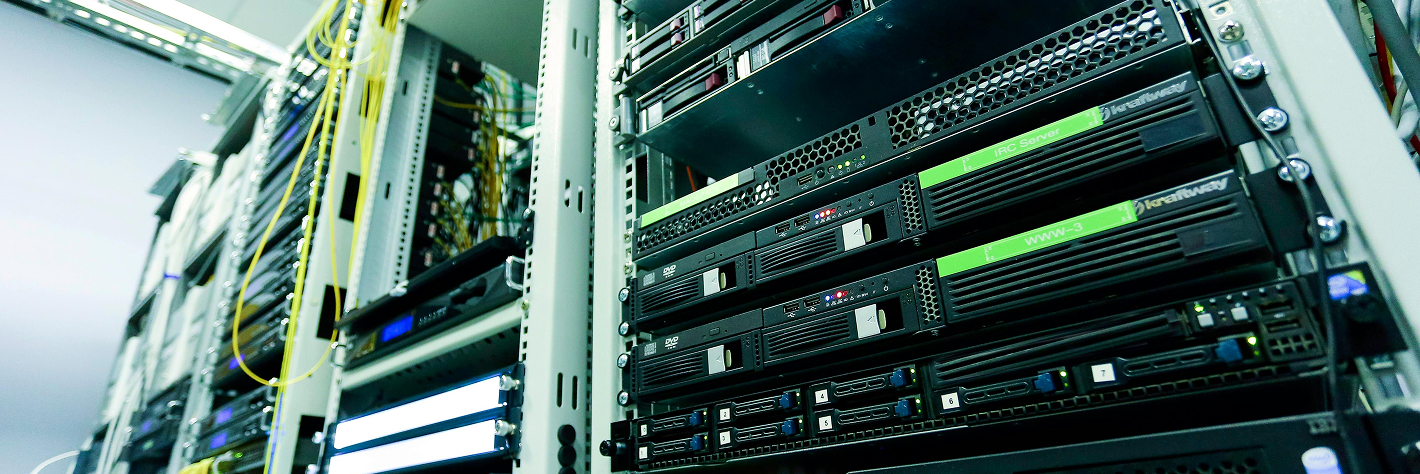
In compute hosting, rack-related costs—power, space, and operations—are largely fixed and directly shape unit economics at scale. As demand grows, simply adding racks drives higher costs and diminishing returns. BDS Tech optimizes at the rack level. With self-developed energy-efficiency optimization and a unified operations model, we increase effective compute delivered per rack without adding customer complexity—improving utilization and structurally lowering the all-in cost per unit of compute through sustainable operational gains.


Product Logic: From Single Device Power Consumption Management to Rack-Level Computing Density Optimization

1

Traditional colocation deployments are often planned around servers’ nameplate power. In real production workloads, that rack power capacity is rarely fully utilized—so each unit of delivered compute ends up carrying higher fixed rack and power costs.

2

BDS Tech uses self-developed energy tuning and compute management to continuously optimize servers under real production workloads. While maintaining stability and service reliability, we reduce actual operating power per server and improve overall power efficiency.

3

This approach turns a rack from a passive physical container into a compute resource pool that can be actively managed and continuously optimized. Under the same rack power and space constraints, it increases the amount of usable compute delivered per rack—driving higher compute density at the rack level and creating a solid technical foundation for downstream cost optimization.

Business Value

A controllable, scalable cost structure for long-term growth

For customers, BDS Tech's value isn't a one-time price advantage—it's a predictable, repeatable cost structure for compute at scale.

With a rack-level operations model, customers can achieve more competitive colocation economics without changing their existing architecture, while maintaining stable and consistent compute delivery. As deployments grow, costs remain controllable—reducing long-term operational uncertainty and improving overall financial performance.

This model is especially well-suited for cloud providers and AI model companies that need long-term plans for compute scale, cost sustainability, and predictable delivery.


Delivery Mode

BDS Tech offers a rack sublease + managed operations model

Under this model, BDS Tech acts as the single operating owner—handling rack allocation, day-to-day operations, and governance. This allows the cost benefits from energy optimization and higher compute density to flow directly into the delivered price, without complex value-sharing or coordination across multiple parties.

For customers, it significantly reduces the communication and management overhead of hosting. Customers don’t need to manage in-rack deployment strategy, scheduling details, or ongoing optimization to receive a clear pricing structure and stable, consistent compute delivery.

By removing the friction and uncertainty of multi-party coordination in traditional hosting, the rack sublease + managed ops model converts technical gains into tangible, sustainable cost advantages—creating a solid foundation for long-term, scaled partnerships.

Realized Gain/Loss Difference

Sustained Increases in Compute Output Per Rack

Sustained Increases in Compute Output Per Rack

Under the same power and space constraints, continuous optimization of compute resources increases the number of productive servers a rack can support. This significantly boosts compute output per rack and improves overall resource utilization.

Structural Reductions in O&M and Energy Spend

Structural Reductions in O&M and Energy Spend

A more optimized operating profile helps reduce incremental operating costs caused by power fluctuations and hardware anomalies. Over time, improved hardware stability and lower failure rates can also extend asset lifespan and reduce the frequency of replacements and maintenance—further improving the overall OPEX structure.

Repeatable, Long-Term Margin Improvement

Repeatable, Long-Term Margin Improvement

Without increasing rigid inputs like racks and power, BDS Tech improves compute operations efficiency to optimize both delivered output and cost control—driving a sustained decline in the all-in cost per unit of compute. The resulting margin uplift is durable and repeatable, enabling stable, above-industry-average profitability as deployments scale.

Sustained Increases in Compute Output Per Rack

Sustained Increases in Compute Output Per Rack

Structural Reductions in O&M and Energy Spend

Structural Reductions in O&M and Energy Spend

Repeatable, Long-Term Margin Improvement

Repeatable, Long-Term Margin Improvement